Puppy Dream Meaning: Care, Play, Fear, and Context
Explore puppy dream meaning by behavior, setting, emotion, care responsibility, and interpretation limits.
Quick Answer: The meaning of puppies in a dream can point to care, vulnerability, play, new responsibility, or a personal memory, but it has no fixed universal meaning. The useful reading depends on the puppy's behavior, setting, your emotion, and waking-life context.
Puppy dream context facts
- Core variable
- The puppy's behavior changes the reading.
- Setting variable
- Home, street, shelter, or unknown place can point to different associations.
- Emotion variable
- Warmth, worry, guilt, or fear shifts the reflection.
- Best use
- Ask what care, play, or vulnerability the scene brings up.
- Hard boundary
- Do not use a dream as diagnosis or prediction.
Begin with what the puppy was doing
A puppy sleeping beside you suggests a different reflection than a puppy lost in a road, barking at a door, or asking to be fed. The behavior is the first clue.
Do not jump straight to a dictionary meaning. Name the action first, then ask what it resembles in waking life.
This keeps the dream grounded in the scene rather than in a universal symbol claim.
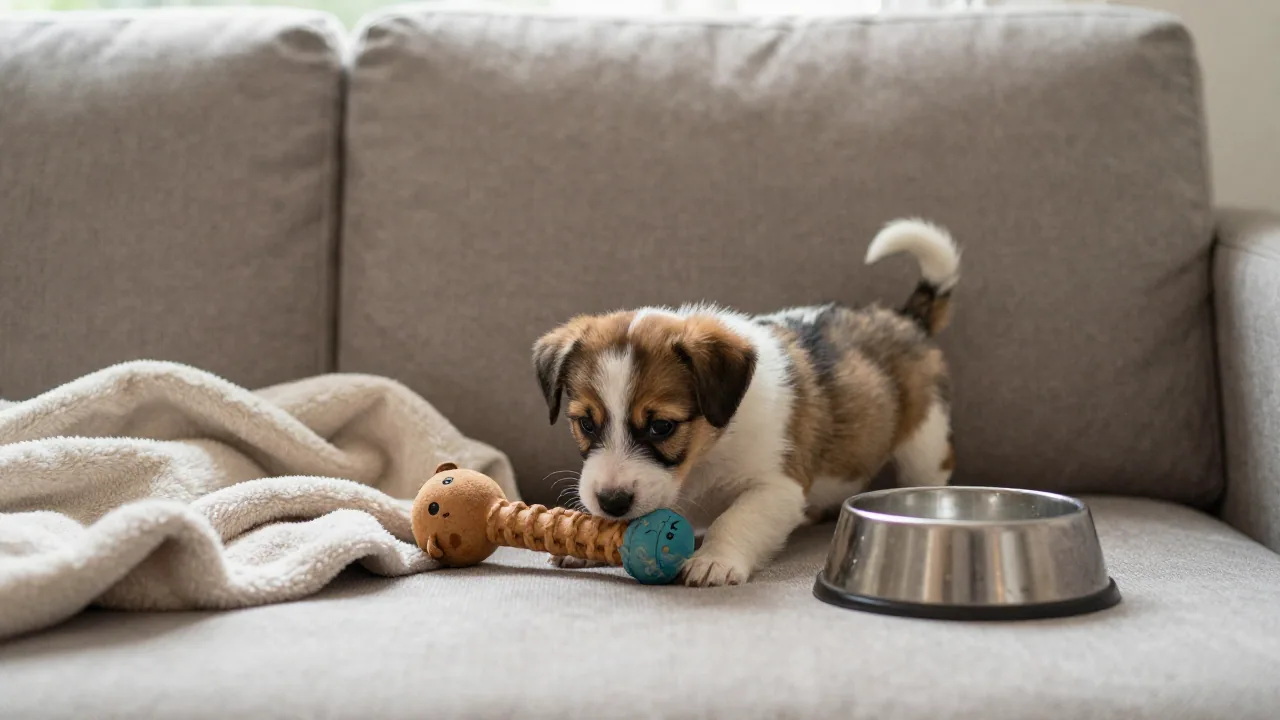
Read care and vulnerability without forcing a baby meaning
Puppies often feel young, dependent, playful, or fragile. That can connect with care responsibilities, a new project, a friendship, or a part of life that needs patience.
It does not automatically mean pregnancy, children, or a literal pet issue. Those meanings only become relevant if they connect to the dreamer's own situation.
A careful reading leaves room for more than one association.
Use the setting to narrow the reflection
A puppy at home may feel personal and familiar. A puppy in a shelter may raise questions about responsibility or rescue. A puppy in a public place may connect with exposure, social attention, or uncertainty.
The setting gives the symbol a boundary. Without it, the interpretation becomes too broad to help.
Write the place down before deciding what the puppy stands for.
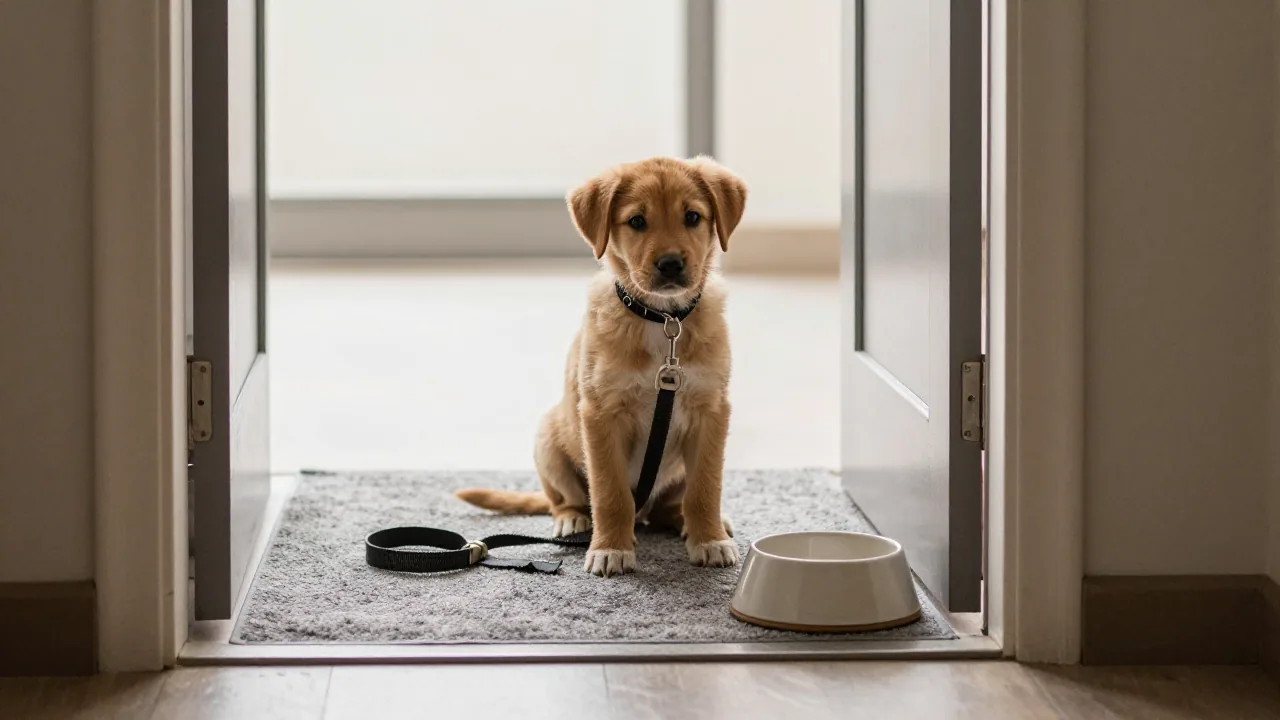
Notice whether the dream felt playful or stressful
A joyful puppy dream may be about warmth, renewal, play, or a gentle new responsibility. A stressful puppy dream may point toward worry, overload, guilt, or fear of not caring well enough.
Emotion does not prove a diagnosis. It simply helps identify what the dream brought to the surface.
If the dream repeats and disturbs sleep, qualified support is more appropriate than another symbol list.
Turn the dream into one low-pressure question
The most useful ending is a modest question: what needs care, what feels young, what is asking for patience, or where am I over-responsible?
Do not turn the dream into a command. Use it as a reflection prompt and then return to ordinary evidence.
A puppy dream can be meaningful without being certain.

Puppy dream reflection prompts
- Describe the puppy's action before naming a meaning.
- Record the place where the puppy appeared.
- Name the strongest emotion in the dream.
- Connect the scene to one waking-life responsibility or memory.
- Seek qualified support if the dream is recurring and distressing.
Puppy dream questions
What is the meaning of puppies in a dream?
It can suggest care, vulnerability, play, new responsibility, or personal memory, depending on the scene.
Does dreaming of puppies mean pregnancy?
Not automatically. That association only matters if it fits the dreamer's real context.
What if the puppy was lost?
A lost puppy can prompt reflection on responsibility, worry, or something that feels fragile, but it is not a fixed sign.
Is a puppy dream a prediction?
No. This site treats dreams as reflection prompts, not future-event forecasts.
When should I seek support?
If dreams are recurring, distressing, or disrupting sleep, qualified support is more appropriate than a symbol list.