How to Read a Tornado Dream: Scene, Response, and Context
Explore tornado dream meaning by distance, setting, response, damage, emotion, and recent context, with clear mental-health and prediction limits.
Quick Answer: A tornado dream can reflect a sense of rapid change, pressure, fear, or lost control, but its meaning depends on where the tornado appeared, how close it came, what the dreamer did, and what current experiences feel connected; it is not a fixed warning or diagnosis.
Tornado dream context facts
- Distance
- Watching far away differs from being inside the storm.
- Response
- Hiding, warning others, freezing, or escaping changes the prompt.
- Setting
- Home, school, road, or open field may connect to different memories.
- Emotion
- Fear, focus, awe, or relief matters.
- Limit
- No dream image reliably predicts a real tornado or diagnoses health.
Begin with distance and movement
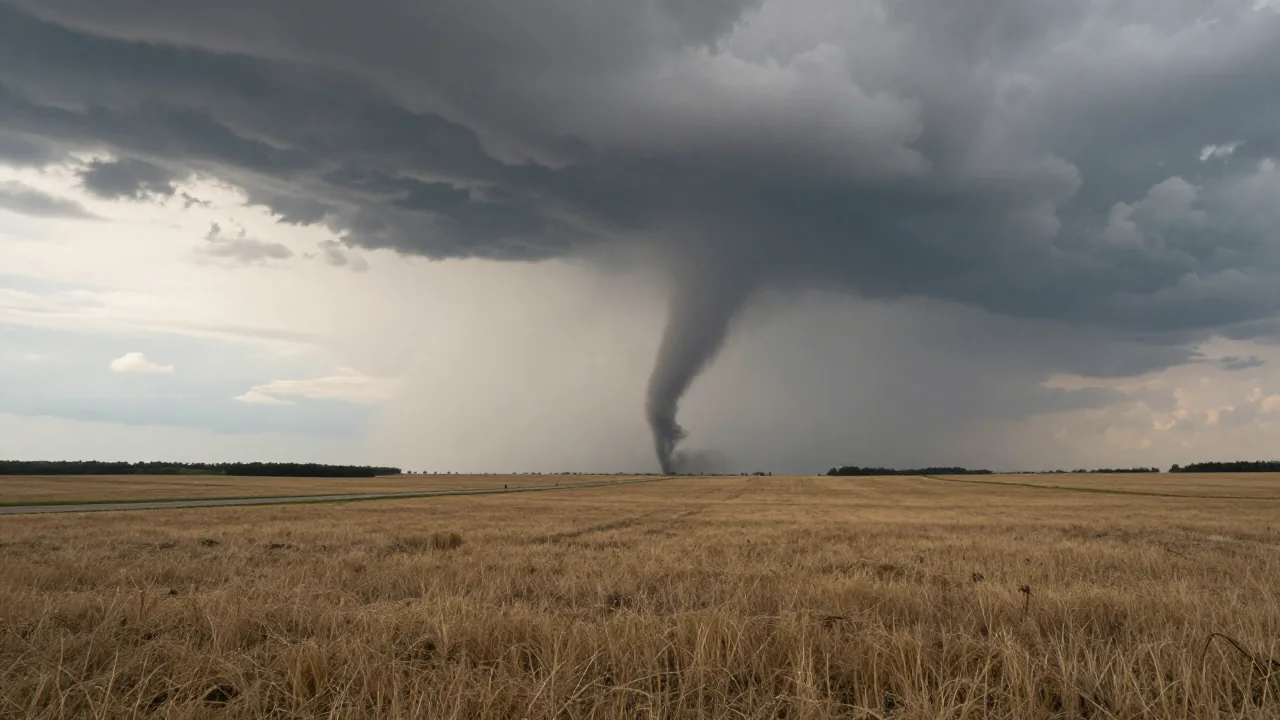
A tornado on a distant horizon creates a different dream problem from a funnel crossing the street or striking the building. Record whether it approached, moved away, multiplied, or remained visible without contact.
Distance can suggest how immediate the dream felt, but it does not predict an actual storm. It is a clue about the dream scene and the dreamer's felt level of urgency.
Also note visibility: a clear funnel, dark cloud, sudden wind, or warning siren may carry different personal associations.
Compare tornado dream scenarios by response
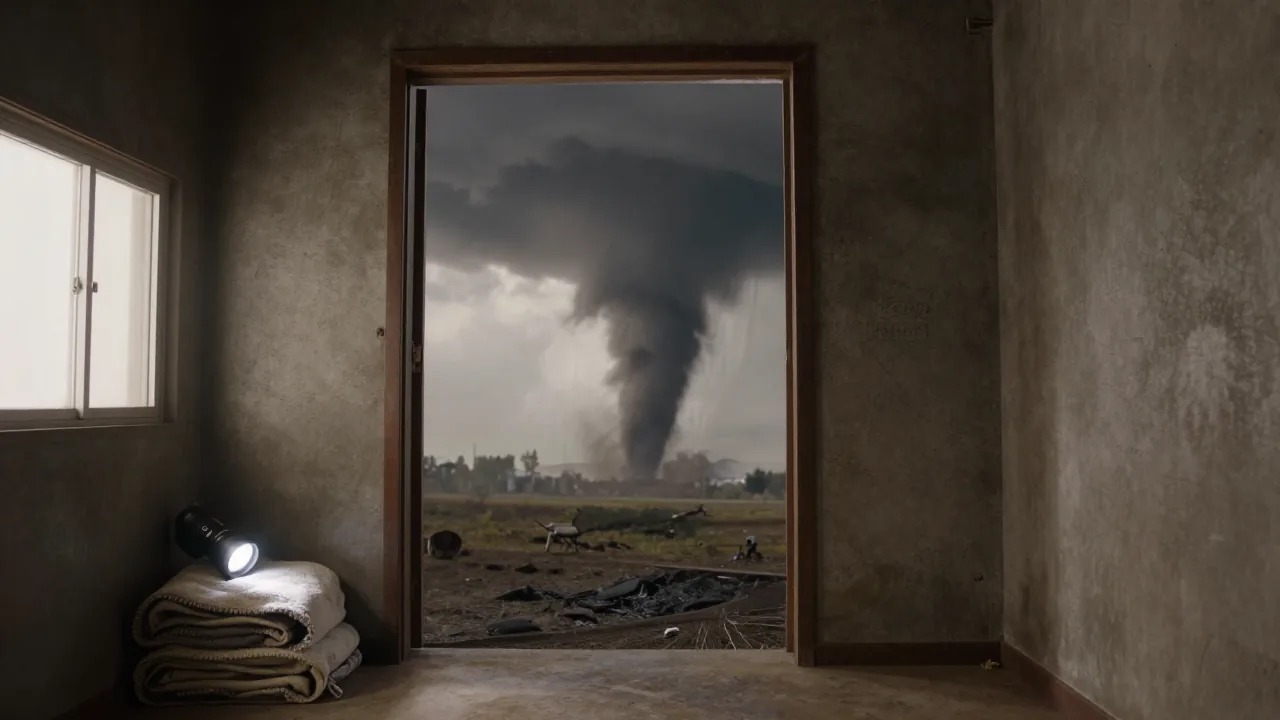
Hiding in a basement can center the dream on protection, while driving away can center it on timing and control. Watching from a window may place the dreamer in an observer role.
Ask what action was possible and whether it worked. A locked door, missing shelter, separated family member, or successful escape can be more informative than the tornado symbol alone.
Avoid turning the action into a universal dictionary definition. Compare it with situations where the dreamer currently feels prepared, exposed, responsible, or unable to intervene.
Use the setting to narrow personal context
A childhood home, workplace, school, unfamiliar road, or open landscape brings its own memory network. Write the setting before searching for a generic meaning.
People and objects present in the scene matter too. Trying to protect someone, gather possessions, or reach a familiar place may connect the dream to responsibility or attachment.
The same tornado image can therefore support different reflection questions for different people and different weeks.
Distinguish damage from anticipated danger
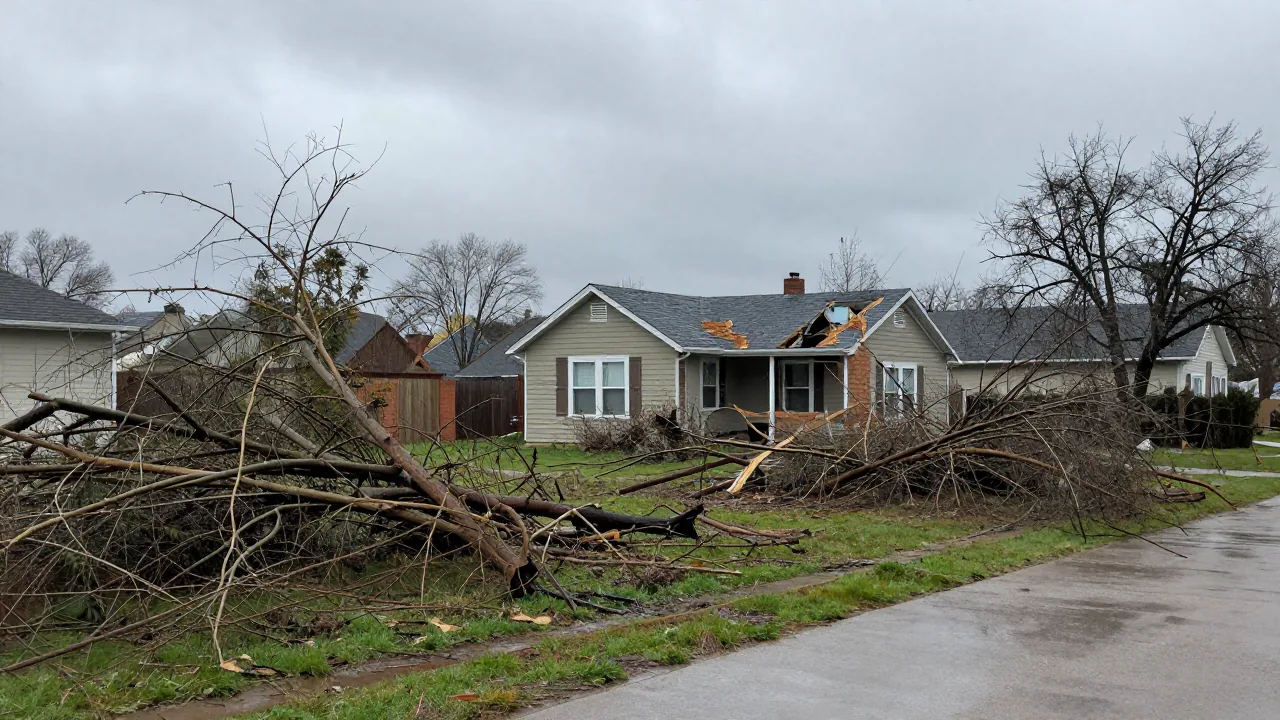
Some dreams end before impact; others show debris, a changed landscape, or an intact room after the storm. Note what actually occurred instead of assuming the worst event happened.
Anticipated danger may reflect uncertainty, while aftermath scenes may invite reflection on loss, repair, or relief. These are possibilities, not diagnoses.
Recent weather news, films, warnings, or real storm experience can also supply the image directly. Ordinary memory exposure should be checked before adding symbolic claims.
Respond to recurring distress in the real world
If the dream repeats, record frequency, sleep disruption, daytime distress, and possible triggers. A simple journal can reveal patterns without declaring a hidden fixed meaning.
Reduce immediate stimulation, follow ordinary sleep-support habits, and discuss persistent distress with a qualified professional when needed. A dream guide cannot assess trauma, anxiety, or a sleep disorder.
The practical endpoint is one modest reflection question about current pressure or preparedness, not a prediction that disaster is coming.
Tornado dream reflection record
- Record distance and direction of movement.
- Name the setting and people present.
- Write what the dreamer tried to do.
- Separate actual damage from feared impact.
- Track recurrence and seek support if distress persists.
Tornado dream questions
Does a tornado dream predict disaster?
No. Dreams do not reliably predict real weather or future events.
What does hiding mean?
It may prompt reflection on safety or preparedness, but context and personal associations matter.
Why was the tornado far away?
Distance changes the emotional scene but has no single universal interpretation.
Can it diagnose anxiety or trauma?
No. A dream image is not a diagnosis.
When should I seek support?
Consider qualified support if recurring dreams cause distress or disrupt sleep.